Why Integrated Payments Matter for Government Agencies
Payments are one of the most common points of interaction between government agencies and the public.
Residents may need to pay court fines, eFiling fees, parking citations, permits, administrative fees, reports, or other obligations. At the same time, agency staff must accurately process, reconcile, and report those transactions.
Quicket is designed to connect payments directly into the systems agencies use every day — including court case management, parking enforcement, code enforcement, and other Quicket platforms — while also integrating with third-party systems when desired.
A Modern Public-Facing Payment Experience
Quicket provides a mobile-friendly payment experience designed to work across phones, tablets, and desktops.
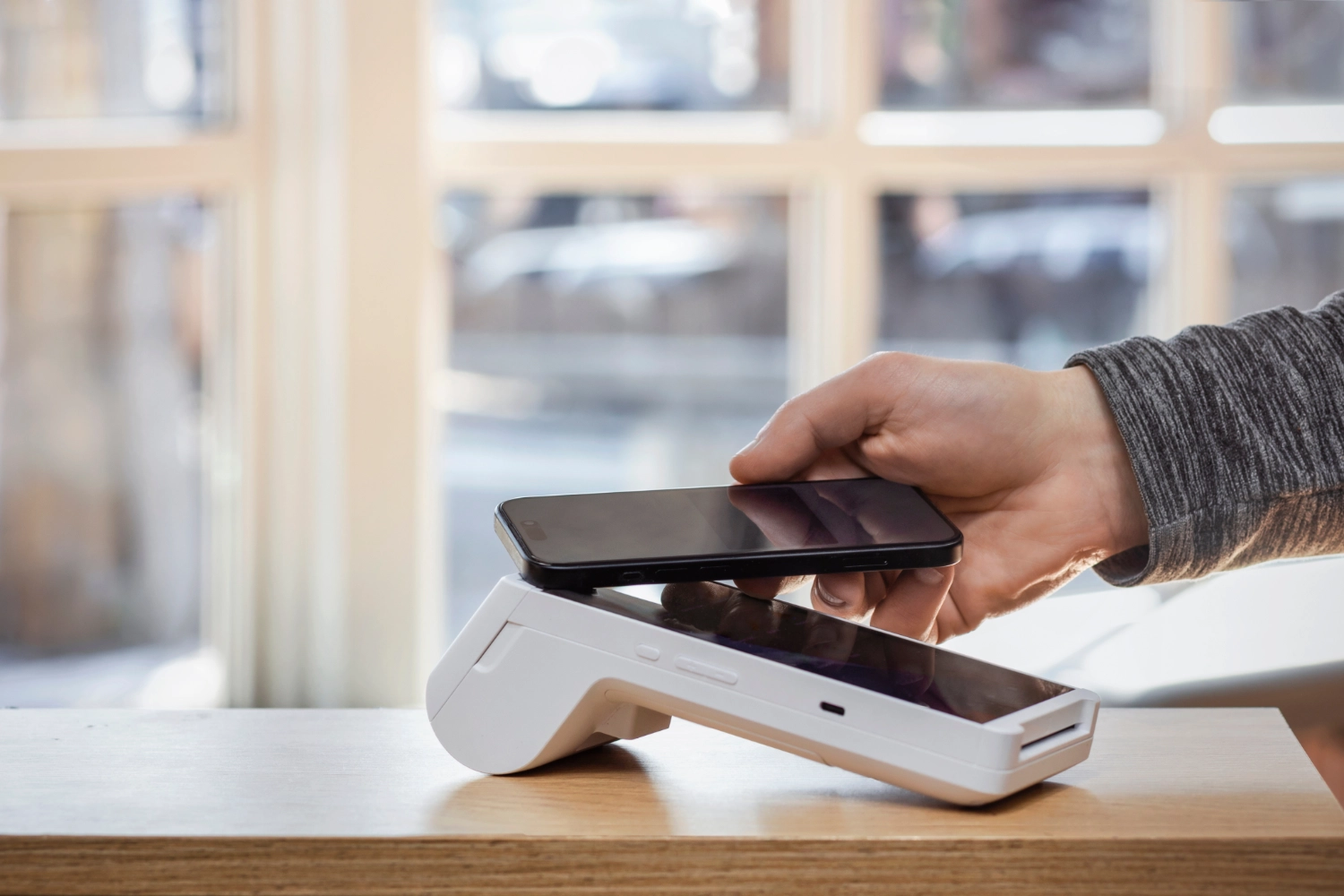
Agencies can support modern payment methods including Apple Pay, Google Pay, ACH, credit and debit cards, tap-to-pay, contactless payments, and card-not-present transactions.
AI-assisted chat tools can also help answer common questions about balances, due dates, payment options, and next steps, creating a more intuitive self-service experience for the public.
Payments Connected Directly to Core Workflows
The biggest advantage of integrated payments is not simply accepting a transaction online.
With Quicket, payments can be tied directly to the underlying case, citation, permit, fee, or other obligation. In a court environment, for example, payments can connect directly to the case record. In parking, they can connect to the citation and associated balance.
Quicket can also integrate with third-party case management, eCitation, ERP, finance, and other government systems, allowing agencies to modernize the public-facing payment experience without necessarily replacing every underlying system.
Payments, refunds, adjustments, and returned transactions can update balances in real time, while configured charges such as NSF fees, returned-check fees, late fees, penalties, and other adjustments can be applied automatically.
Integrated Point-of-Sale and Cashiering
For in-person transactions, Quicket supports integrated wireless point-of-sale readers connected directly to the platform.
Because the payment is linked to the underlying record, staff can minimize clicks, reduce duplicate entry, and automate much of the reconciliation process.
Quicket also provides robust cashiering workflows for managing payments, refunds, voids, adjustments, and other financial activity across agency counters and departments.
Detailed receipts can show what was paid, how the payment was applied, and any remaining balance, giving the public clearer records while helping reduce payment disputes.
Automate Payment Plans and Notifications
Quicket can also automate payment plan workflows.
Agencies can manage scheduled installments, partial payments, due dates, balances, and payment history in one system. When authorized by the payer, recurring payments can be automatically charged to a card or withdrawn directly from a bank account through ACH.
Text and email notifications can provide payment reminders, due-date notices, confirmations, and missed-payment alerts, helping users stay informed while reducing routine follow-up by staff.
Robust Financial Reporting and Reconciliation
Payment processing does not end when a transaction is approved.
Agencies still need to manage refunds, voids, returned payments, deposits, adjustments, and reconciliation.
Quicket provides detailed financial reporting and can connect transaction activity to departments, funds, general ledger codes, bank deposits, and ERP or finance systems.
By tying payment activity directly to operational records, agencies gain a clearer view of where money came from, how it was applied, and how transactions should be reconciled.
One Payment Experience Across Government Workflows
Quicket is designed around a simple principle: payments should be part of the same workflow that manages the underlying obligation.
Whether payments originate from court case management, parking enforcement, code enforcement, another Quicket module, or a third-party system, Quicket can serve as both a modern public-facing payment interface and a robust back-office platform for cashiering, reconciliation, and financial reporting.
By connecting mobile-friendly payments, digital wallets, ACH, wireless point-of-sale readers, payment plans, automated fees, detailed receipts, notifications, cashiering, and financial reporting, Quicket helps agencies deliver a better public experience while reducing administrative work behind the scenes.